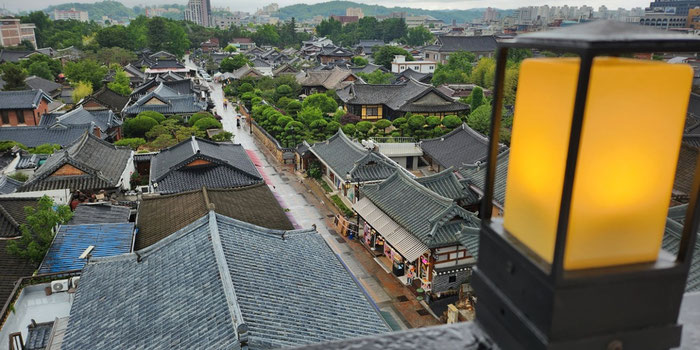
Nestled in the heart of Korea, Jeonju is a captivating city where centuries of rich Hanok tradition seamlessly blend with a world-renowned culinary heritage.
On my recent trip to Jeonju, I stepped away from the busy tourist center a bit to find the perfect mix of modern art, ancient history, and incredible food.
Here is how to experience Jeonju and Iksan as an intentional traveler!
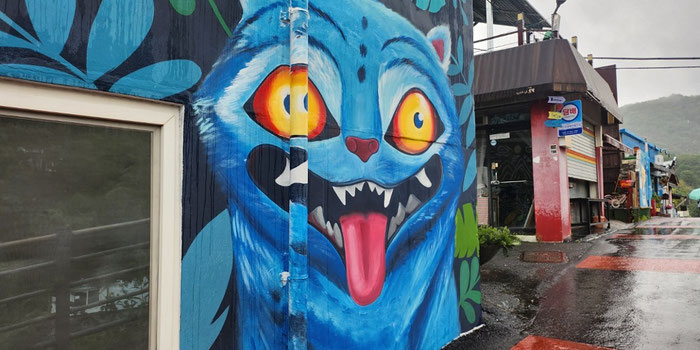
Pop art at Jaman mural village
Right across the road from the traditional crowds lies Jaman Mural Village.
Tucked into steep, winding hills, this quiet neighborhood has been transformed into a vibrant outdoor art gallery.
Wandering past the colorful pop-art mural is a wonderful, creative way to explore for free!
Classic Jeonju Bibimbap
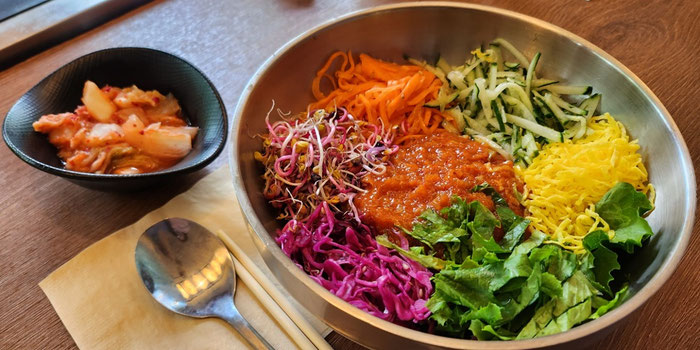
You cannot visit Jeonju without trying its signature dish: Bibimbap.
While the classic version uses meat, I tracked down an authentic vegan bibimbap right in the village that was served in a gorgeous heavy brass bowl.
Packed with a vibrant rainbow of locally sourced mountain greens, roots, rich gochujang, and a pleasant surprise ingredient of yellow mung bean jelly strips - this nutritious powerhouse really packs a punch!
LocAl jujube tea
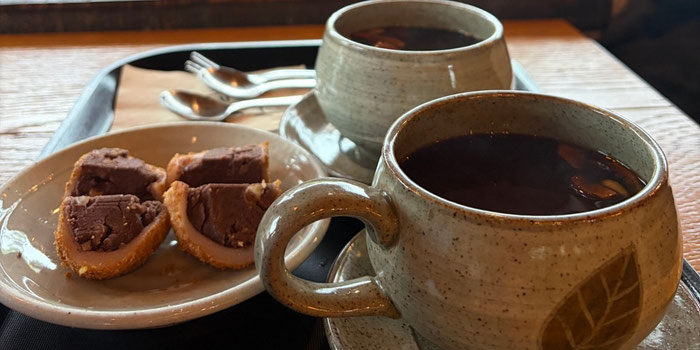
After eating, skip the busy cafes and head into a quiet Hanok courtyard for traditional Daechu-cha (Jujube tea).
Slowing down with a steaming cup of this deeply sweet, nutrient-dense, and aromatic local jujube tea is the ultimate way to chill out.
Heritage at the Jeonju Traditional Wine Museum
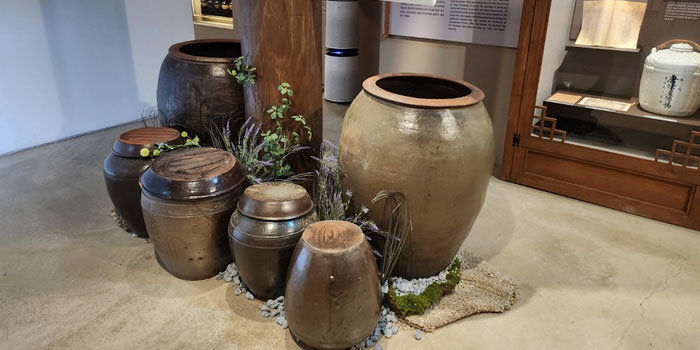
Instead of all the overcrowded bars or big commercial distilleries, I stepped into the quiet courtyards of the Jeonju Traditional Wine Museum.
This space honors Gayangju - the ancient art of home-brewing traditional Korean liquors.
In addition to showcasing the traditional craft of brewing makgeolli, the museum also highlights the history and preparation of Jeonju moju, a sweet, low-alcohol beverage made by boiling makgeolli with medicinal herbs.
Seeing the classic brewing vessels, aging jars, and historical tools gave me a profound appreciation for the mindfulness behind Korea’s fermentation heritage.
Tranquility at Deokjin Park
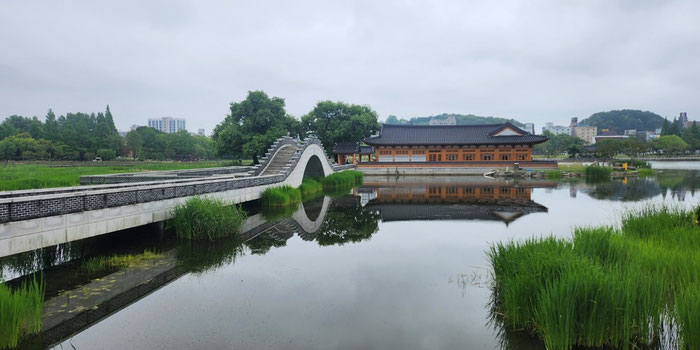
On my way out of the city, I took a peaceful stroll through Deokjin Park.
The park is best known for its massive central pond, which transforms into a breathtaking sea of blooming lotus flowers during the summer months.
Visitors can stroll across the elegant Yeonhwa Bridge to take in the views or visit the traditional hanok-style library nestled right within the park.
Minimalist Architecture at Jeonbuk Museum of Art
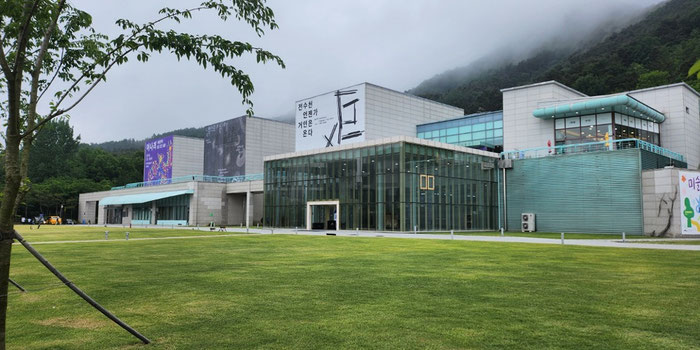
To truly experience the region's quiet side, head slightly outside the city to the Jeonbuk Museum of Art near Moaksan Mountain.
The building itself is a minimalist masterpiece - clean concrete lines cutting across a massive green lawn with lush hills in the background.
The quiet, spacious galleries offer a calm, intentional space to appreciate local contemporary art away from the crowds.
Here you can catch the current exhibition on display and get to appreciate a local artist.
Ancient Roots at Mireuksa Temple Site
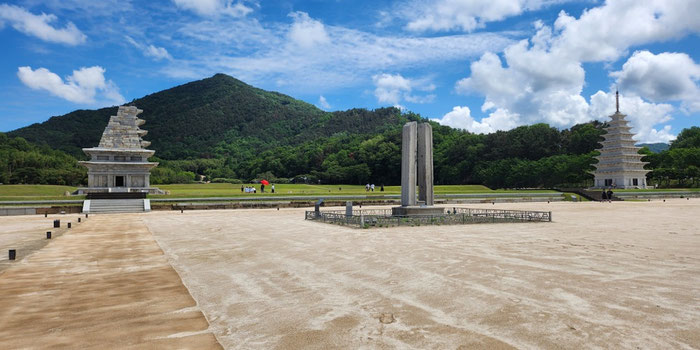
For my final stop, I took a short trip further out to Iksan to visit the Mireuksa Temple Site (Mireuksaji), a UNESCO World Heritage site.
Underground is a super high-tech museum where you can view miniature models of how this grand Baekje Kingdom complex looked over a millennium ago.
Then you can walk out onto the wide open grounds.
Standing before the oldest stone pagoda in Korea was a beautiful, humbling reminder of the deep history of this region.